On this page
- Start with a Canadian record of your work
- Keep every important version intact
- Preserve files and compare copies carefully
- Use ISBNs as clues, not fingerprints
- Separate a version match from evidence of AI training
- Keep a chronology that others can follow
- Use dated deposits to support your records
- Make uncertainty clear
- Sources
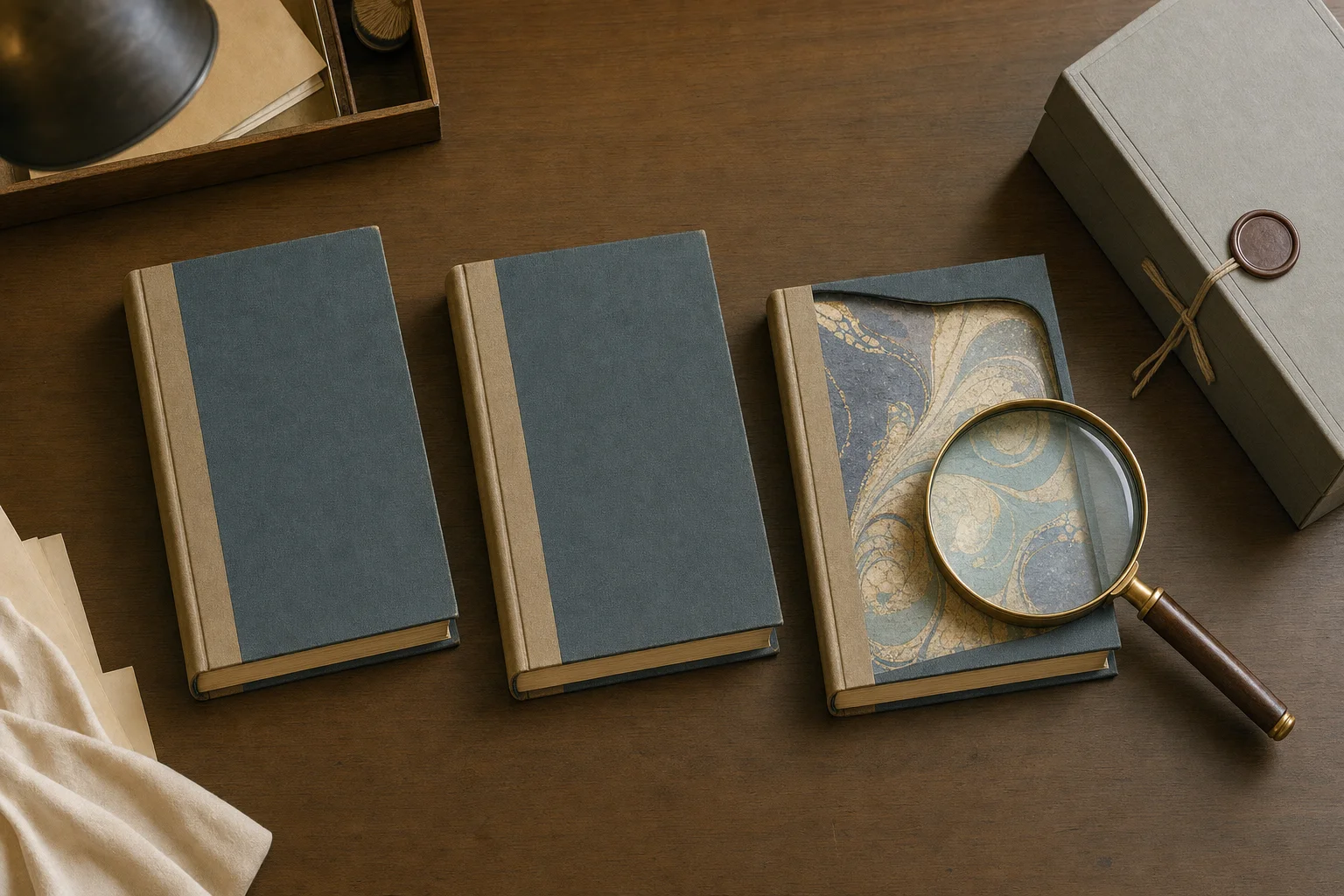
Keeping each manuscript and published edition on record can help you compare what is known and what remains uncertain.
If a passage from your book appeared in material connected to an AI system, would you know which version it came from? A submitted draft, an advance copy and a revised ebook can share a title while containing different text.
Keeping a clear record of each important version can help you describe what matches, what differs and what the available evidence cannot show. It is useful to build that record before questions arise.
Start with a Canadian record of your work
In Canada, copyright protection for an original work begins as soon as it is created, without formalities. Registration is optional: it does not create copyright, but evidence such as a dated deposit can help show who created a work and when a particular version existed.
Copyright protects the way an idea is expressed, not the idea by itself. If you have a project concept, writing it out in detail creates an expression you can preserve and date. A © notice is not required for protection, but adding the owner’s name and year can warn others that the work has an owner.
Keep every important version intact
Give each significant manuscript or publication version its own folder and archive identifier. Keep older files rather than replacing them with the latest copy. For each milestone, save the original writing file and a readable export where possible.
- Save key stages. Keep completed drafts, submission manuscripts, accepted manuscripts, corrected proofs, publication files and substantial revisions. Label advance review copies separately.
- Make a version record. Note the title, subtitle, author name or pseudonym, language, publisher or imprint, format, edition statement and relevant ISBN. For an unpublished manuscript, use an internal archive identifier and make clear it is not an official publishing number.
- Describe revisions. Record important additions, deletions and corrections. Preserve tracked changes and editorial messages where available, and distinguish textual changes from formatting-only exports.
- Save related materials. Keep covers, title and copyright pages, acknowledgements, permissions information and embedded metadata, along with the actual files supplied for publication.
- Retain event records. Keep submission emails and attachments, proof approvals, delivery confirmations, publication announcements and catalogue records. Note whether each record supports submission, approval, delivery or public availability.
Label dates accurately. A drafting date, a publication date and a deposit date describe different events. If you later reconstruct a date, keep the record that supports it rather than treating recollection as independent verification.
Preserve files and compare copies carefully
Keep protected originals and do comparisons using working copies. A cryptographic hash can help you check whether a file has changed at the byte level, but it does not identify the author or establish when the writing was created. Keep any hash values with your records and state what they do—and do not—show.
Use ISBNs as clues, not fingerprints
ISBN assignment guidance distinguishes publishing products, including different formats and language editions; substantial textual changes can also call for a new ISBN. An ISBN can help you identify an edition, but it does not uniquely identify every manuscript or digital file associated with a book.
Check the title page, publisher, language, edition statement, format and text itself. For example, imagine a travel guide with a later edition that adds a chapter about a new route. That chapter could help distinguish the editions if it appeared in questioned material; a paragraph shared by both versions would not tell you which one was involved.
Separate a version match from evidence of AI training
Ask distinct questions: What work does the material appear to refer to? Which version does it resemble? What evidence connects it to acquisition, processing or a training run? A title, catalogue entry or matching passage may be a lead, but it does not answer all of these questions by itself.
If you document chatbot behaviour, retain the full prompt and response, the access date and any model details displayed. Make a note of whether your prompt included any of the text that later appeared in the response.
Before making a public allegation or sending a legal demand, consider asking a qualified adviser to assess the evidence, applicable law, permissions and exceptions. Identifying a version and establishing how it was used are separate tasks.
Keep a chronology that others can follow
Preserve notices and identifying information as they appeared with each version. Keep agreements with publishers, collaborators and translators alongside records of your writing process, so the relevant documents can be considered together.
- Keep each significant manuscript milestone and published edition.
- Connect identifiers to the correct language, format and version.
- Preserve notices, metadata and publication pages.
- Retain correspondence and attachments related to submission, approval and publication.
- Write down the main differences between versions.
- Keep any deposit certificate with the exact file deposited.
Use dated deposits to support your records
Consider depositing important manuscript milestones, not only the finished book. A completed submission manuscript, the publication version and a substantial revision may each merit a separate dated record. Keep the certificate beside the matching file and version notes.
A dated filing with an independent third party can help support your authorship claim and show that the deposited version existed by that date. It is one point in a broader chronology: it does not, by itself, verify an earlier claimed creation date or establish that an AI developer obtained or copied the work.
Protect your manuscript and book versions with a dated deposit through Scopyright.ca’s book deposit service. You can also explore copyright protection and deposit options in Canada.
Make uncertainty clear
The material available may not identify an exact edition. A well-organized archive can still help you explain which details match, which differ and what remains unknown. Preserve versions and their supporting records now, and avoid claiming that evidence proves more than it does.
Sources
Article written with the assistance of AI. General information, not legal advice.