On this page
- Copyright and dated proof in Canada
- Start with a reliable work index
- Keep the evidence of use and permission
- Agreements and permission changes
- Examples of actual uses
- Track the commercial trail
- Enquiries and negotiations
- Invoices, payments and royalties
- Use a dated certificate as one part of the archive
- Archive checklist
- Make the history easier to follow
- Sources
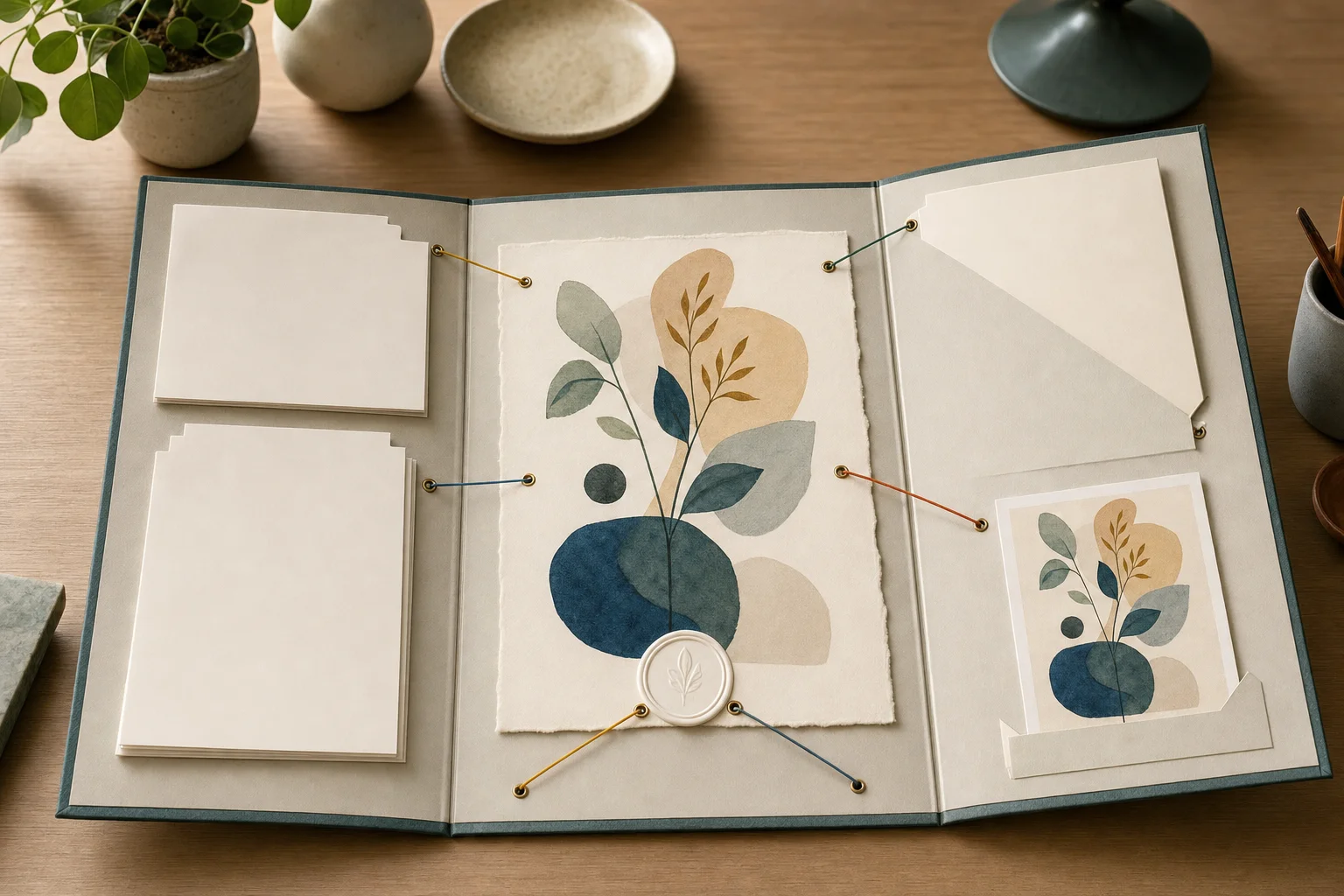
Keep the original work and its commercial records connected in one organised archive.
A creative work may lead to conversations, agreements, payments and public uses over time. Keeping those records linked to the right version of your photograph, manuscript, illustration or recording makes it easier to understand what happened and what was agreed.
Build your archive to reflect actual events. An enquiry is not a sale, an invoice is not proof of payment, and an apparent unlicensed use is not by itself a confirmed legal violation.
Copyright and dated proof in Canada
In Canada, copyright protects an original work automatically from the moment it is created; you do not need to register it for protection to begin. A filing with a private service does not create copyright. It can provide proof of authorship and of the date the work existed.
Registration with the Canadian Intellectual Property Office is optional. A CIPO certificate is evidence that copyright exists and that the registered person owns it, while a dated filing can help show that a work existed on a particular date. Keeping proof matters when you need to establish who created a work and when it was already in existence.
Start with a reliable work index
Assign each work a consistent identifier and record its title, format and version. Use that identifier in your folder index, agreement schedules, invoices and correspondence. Label drafts, revisions and final deliveries so you can tell which version each record concerns.
For a licensed photograph, for example, note which crop was delivered and how it relates to the original image. If an agreement covers a collection, keep the specific list of included works rather than relying on a general description such as “portfolio.”
Keep the original files and drafts alongside records about authorship, rights, enquiries, agreements, payments and uses. Preserve complete messages and attachments as well as any notes you make about them. Back up the archive and limit access to confidential customer details and contracts.
Keep the evidence of use and permission
Agreements and permission changes
File the completed agreement with any schedules that identify the works, along with amendments, renewals and termination messages. Record the permissions granted and any express exclusions in your index. A payment amount makes more sense when you can also see the scope it covered, such as the territory, term, media or other agreed limits.
For negotiations involving AI, retain the exact language about training, datasets and other uses. A broad label such as “digital rights” may not explain what the parties discussed. Get unclear terms reviewed under the applicable law rather than assuming that permission for one use settles another.
Examples of actual uses
Save examples of how a work was used, such as a published webpage, printed edition, delivered campaign, broadcast record or usage report from a customer. For online material, note the page address and capture date, and keep enough surrounding context to identify where it appeared.
If you spot a use that seems to go beyond the permission granted, make a separate record of what you observed and when. Keep your observations distinct from your conclusions. Before making an allegation, check the agreement, the rights involved and any applicable exceptions.
Track the commercial trail
Enquiries and negotiations
Keep the full enquiry and your replies, including attachments. Note the work requested, proposed use, territory, duration, media, exclusivity and fee. Save revised offers so the first proposal is not mistaken for the final terms.
Record the outcome accurately: for example, enquiry received, quotation sent, terms under discussion, declined, expired or agreement concluded. If a potential customer explains why they withdrew, preserve their message instead of adding a reason they did not give. An enquiry shows interest; it does not establish guaranteed revenue or a proven loss.
Invoices, payments and royalties
Keep invoices and royalty statements with the related agreement, delivery record and payment confirmation. Record the work identifier, version, customer, currency, amount and transaction details. Mark whether each invoice is unpaid, paid, cancelled, credited or refunded.
Where possible, distinguish creation fees, expenses and licensing fees. A commission involving substantial production work may not be a useful comparison for a later licence of the finished image. If a price covers a package, do not attribute the full amount to one work unless the records support that breakdown. An invoice alone should not be described as money received.
Use a dated certificate as one part of the archive
Deposit a clearly identified version through our online service and keep its dated certificate with that version. Add the deposit details to your index, then connect the related agreements, enquiries, financial records and examples of use to the same entry.
The certificate and the commercial documents serve different purposes. A dated deposit helps document the submitted work, authorship and date. Agreements record permissions, while invoices and payment records describe transactions. The certificate does not create copyright, determine a work’s market value or guarantee a particular outcome.
Keep earlier drafts and correspondence to support the wider creation timeline. If you make a substantial revision, label it clearly and keep its records distinct from those for the previous version.
Archive checklist
- Give each work and version a consistent identifier.
- Keep originals, drafts and the dated certificate connected.
- Save full enquiries, quotations, responses and outcomes.
- File agreements, work schedules and later changes together.
- Link invoices to delivery, payment evidence and permissions.
- Save examples of actual use with dates and context.
- Back up the archive and protect confidential information.
Protect your work with a dated deposit through Scopyright.ca. You can also choose a registration option for your creation and keep the certificate with your related records.
Make the history easier to follow
A well-organized archive connects the original work to the discussions, permissions, payments and uses that followed. Keeping the records together gives you a clearer account of your work’s commercial history and useful evidence if questions arise.
Sources
Article written with the assistance of AI. General information, not legal advice.